The Control Gap: Credibur at What's Up Digital Lending in Paris
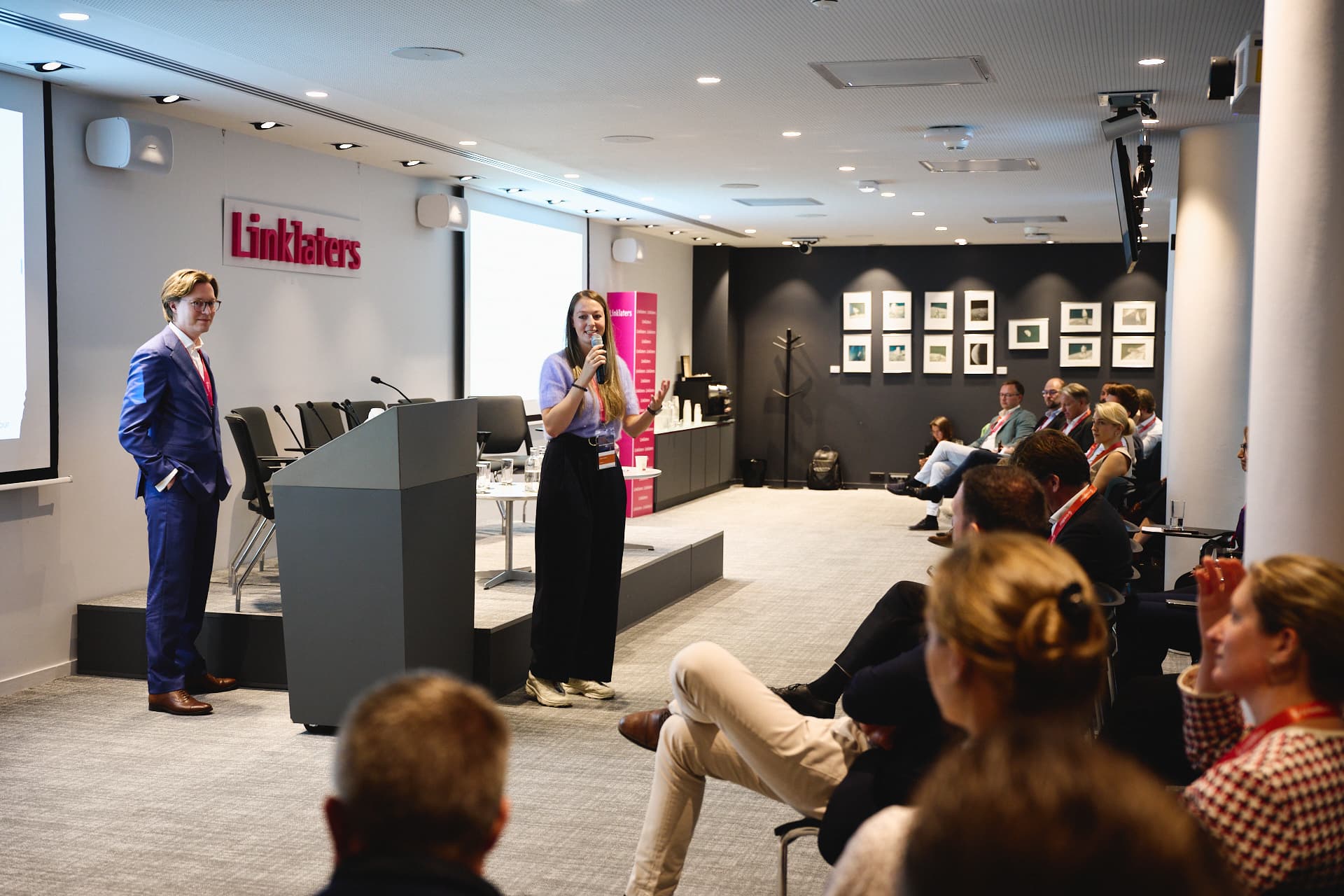
The Conference
What's Up Digital Lending is the annual conference of the Digital Lending Association, run together with Linklaters. The fourth edition took place in Paris on 24 September 2026 and brought together non-bank lenders, investors and service providers from across Europe, with a strong German contingent. Credibur sponsored the day. Natalie Schleiz and Nicolas Kipp gave a talk titled "The Control Gap: how technology eliminates the risks hidden inside debt facilities".
The Argument
A facility agreement promises verified receivables, eligible collateral, a borrowing base someone checked and a backup servicer ready to step in. What arrives each month is a self-reported spreadsheet, an annual audit on a small sample, a check on the lender's own slice of the book with no view across facilities, and a servicer who is a name in a document.
Monthly reporting was built for credit risk. It was never built to catch fraud. Weeks pass between an event and the report, reconciliation is one snapshot a month, and the backup servicer exists only in the contract. Double pledging, inflated documents and fabricated assets live in that gap.
Fraud enters at three surfaces: the asset, the documents and the cash. Does the asset exist, and is it pledged only here? Is the document what the cash says it is? Did the money the tape implies actually arrive? Documents on their own answer none of these.
What Debt Facilities Can Learn From Payments
Payments and AML moved to daily, transaction-level controls across multiple data sources years ago. Debt facilities still run on the borrower's own numbers, once a month, on a sample. The talk made the case for the same shift: data straight from the originator's systems and from third parties such as banks and national registers, every day, at asset and transaction level, with asset identifiers matched across facilities so each lender knows whether its collateral is pledged elsewhere.
That turns three familiar agent roles into daily controls. The calculation agent rebuilds the borrowing base from the raw tape at every draw instead of working from a monthly report the originator prepared. The verification agent traces cash flows and checks documents and asset anomalies on every record instead of a quarterly sample. The backup servicer is already on the daily data and can activate in 48 hours instead of hiring a team after the event.
What It Costs the Originator
Asset identifiers come from an export the originator already produces. Tracing flow of funds needs read-only bank access at transaction level. Tape and documents arrive by API, so manual monthly reporting goes away. The same feed, extended once, keeps a live mirror of the book for the backup servicer. Trust the lender can verify is what earns the originator better terms.
If you want to see what this looks like for your facility, schedule a demo.